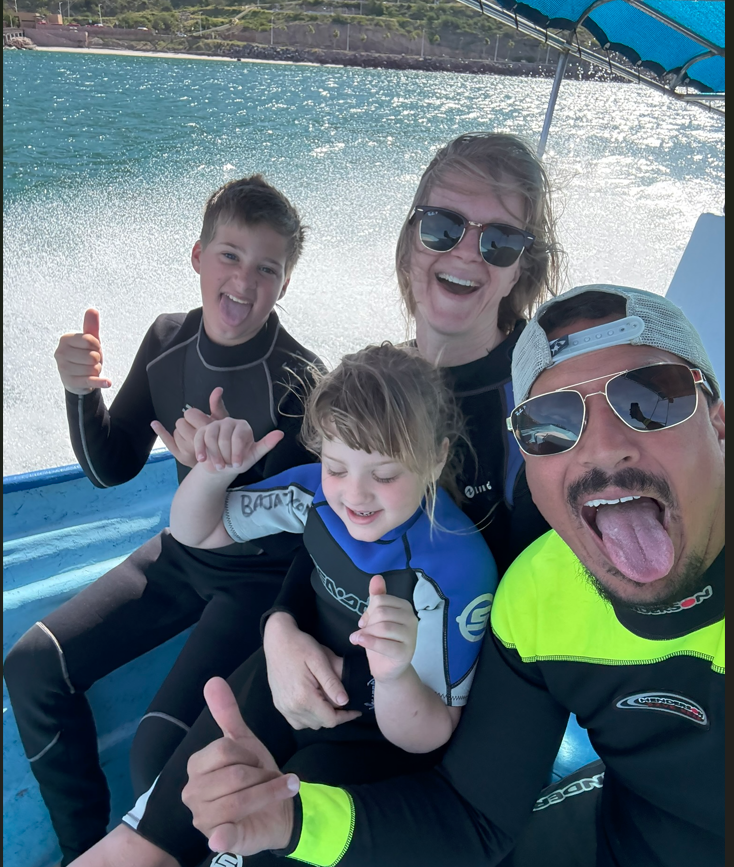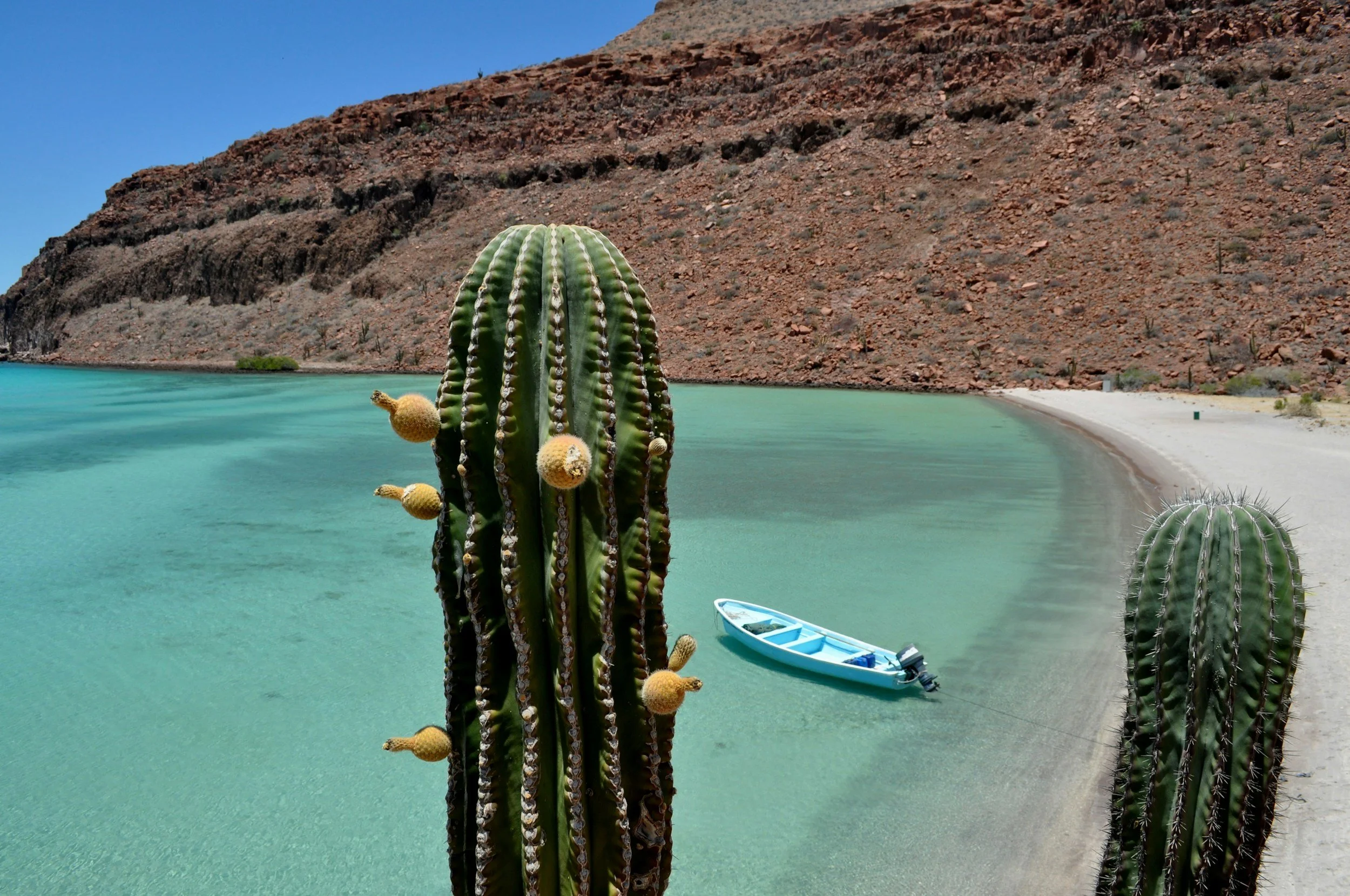
❋
full big rig baja guide
We Took a Big Rig to Baja
A First-Time Family Journey Down the Baja Peninsula
There’s a moment right before you cross into Baja where everything feels very real.
The truck is fueled.
The fifth wheel is hitched.
The kids are buzzing with excitement.
The dog is pacing.
The cat is unimpressed.
And suddenly, all the questions you’ve heard for years come rushing in at once.
Can a big rig RV actually make it through Baja?
Is there really diesel when you need it?
Is it safe for families?
Where can you swim and where should you absolutely not?
We didn’t want opinions. We wanted answers.
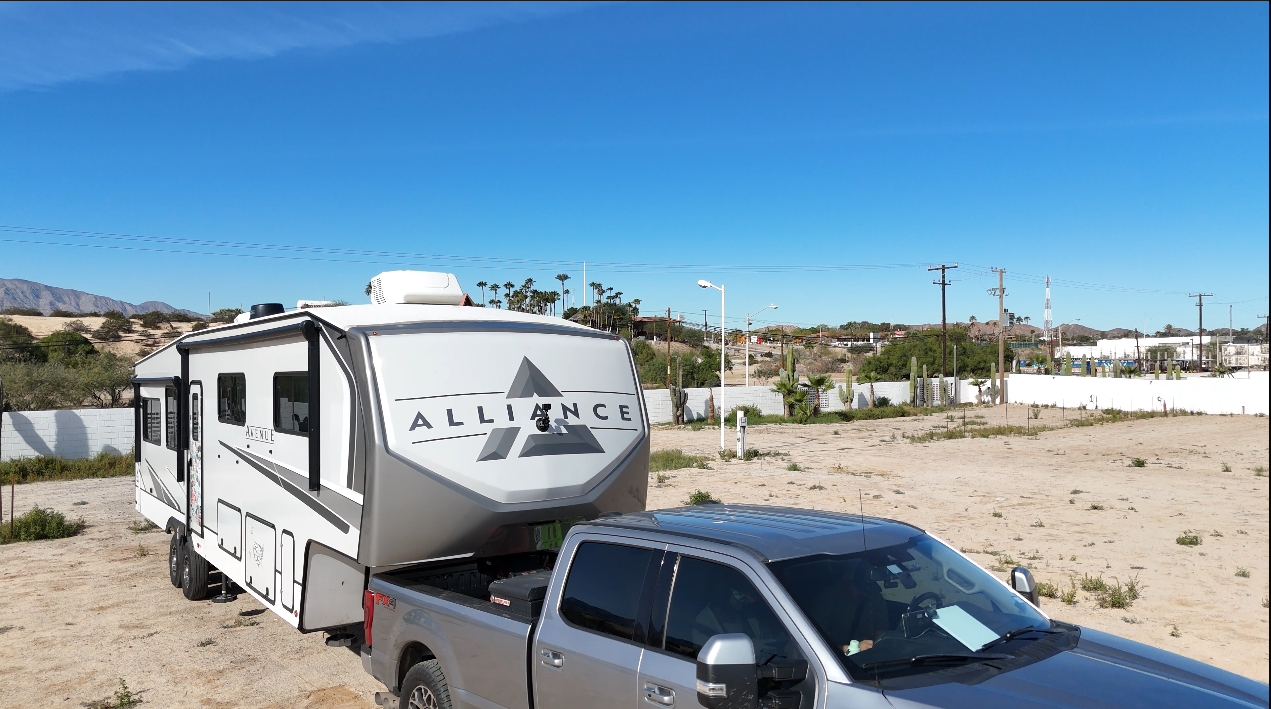
So we built a Big Rig Baja Trip Planner, packed up our 40-foot fifth wheel, and pointed ourselves south. Determined to experience Baja fully, honestly, and for the first time.
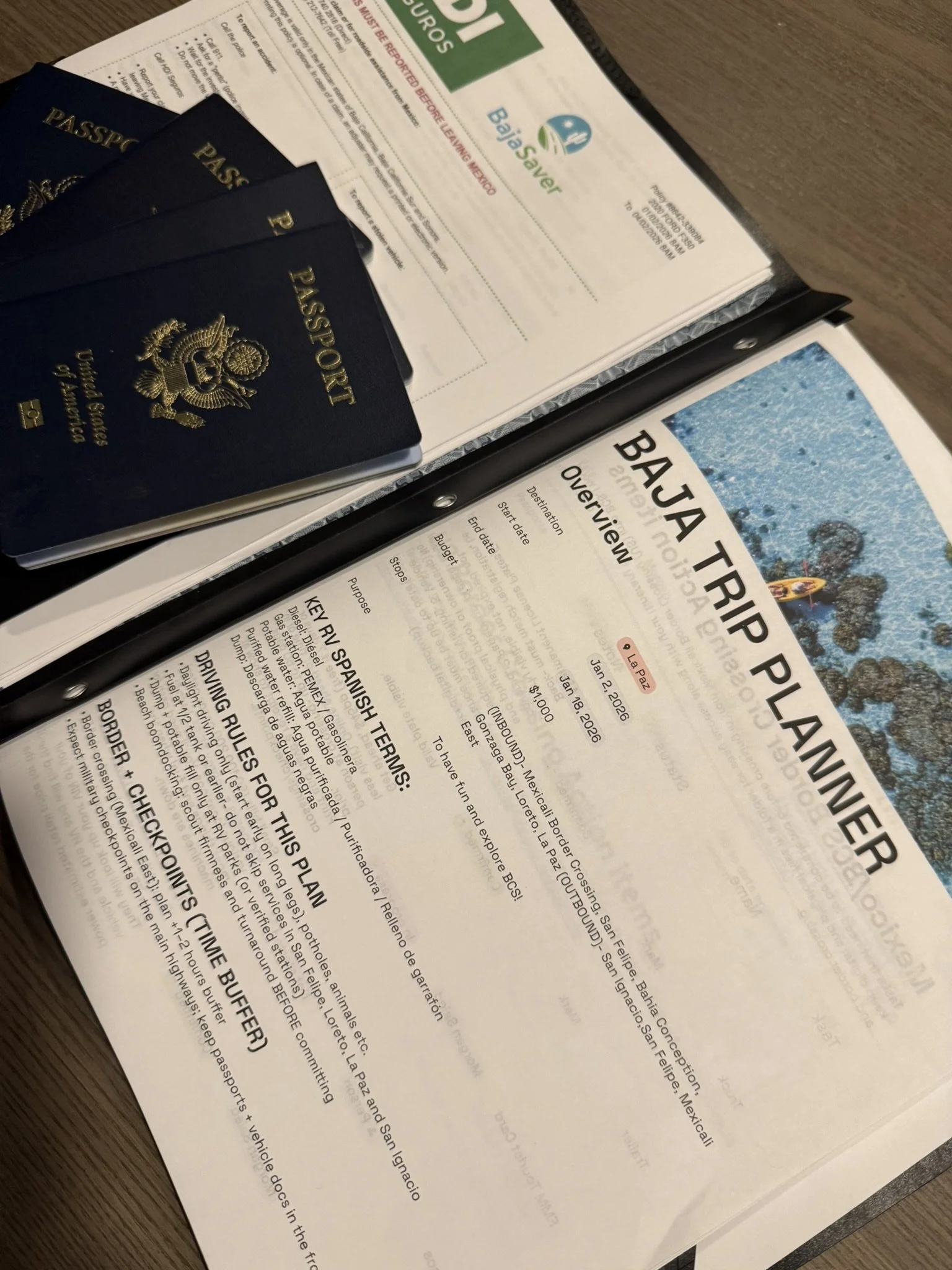
This wasn’t a highlight reel. This was a test and if we could do it this way, we knew other families could too. You can find our BAJA PREP video here where we explain what you need to do in order to prepare in advance for road conditions, FMM, and the surprising mandatory Mexican Insurance costs.
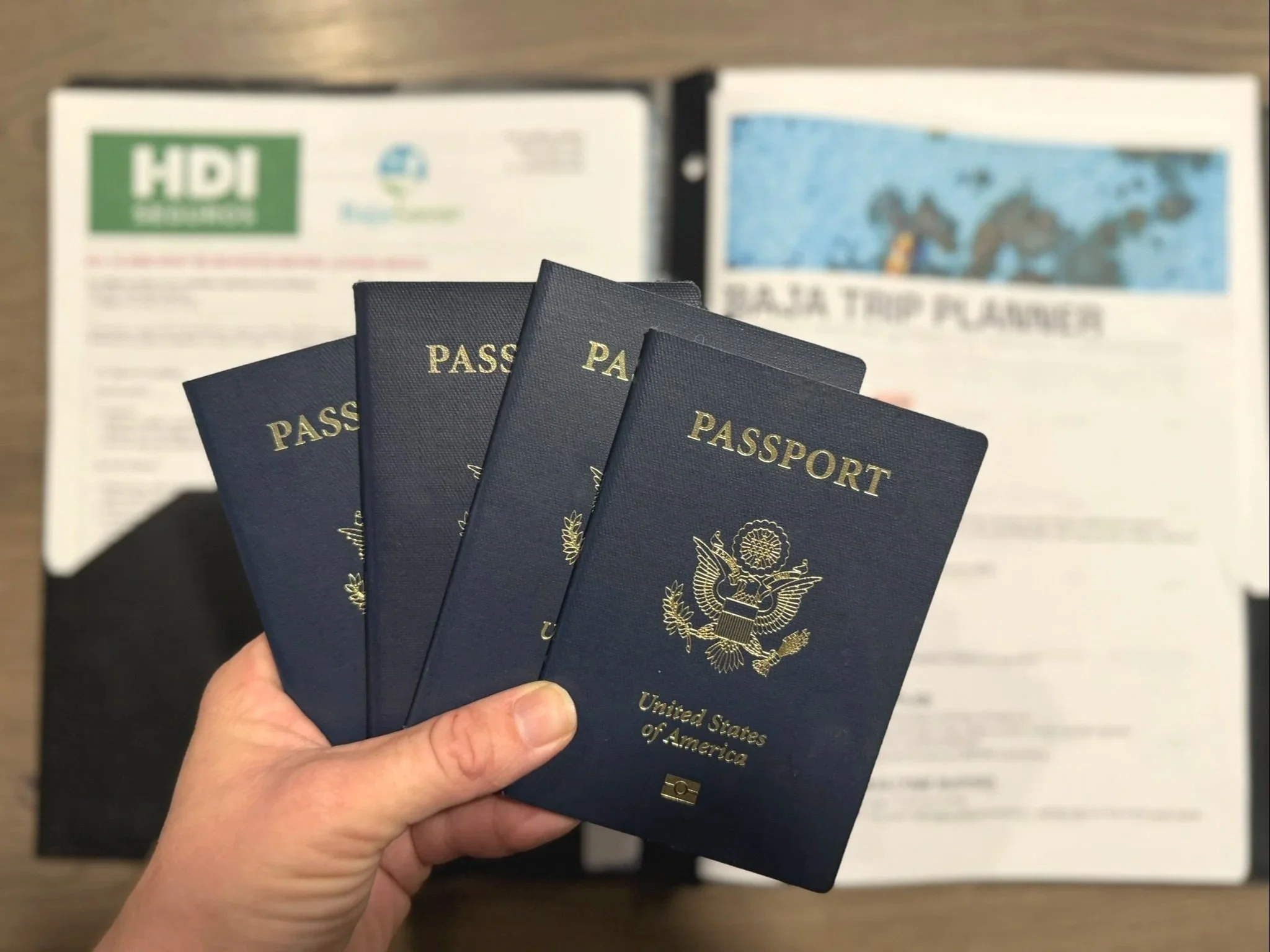
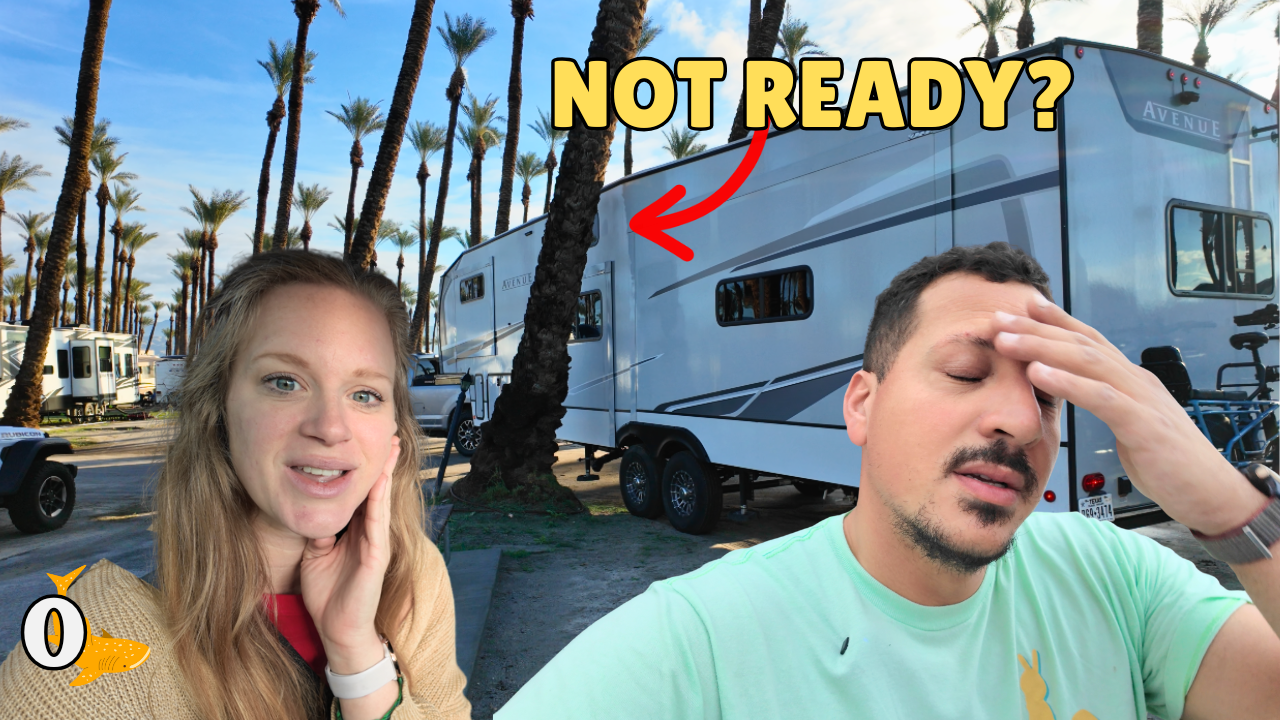
👉 Download the Big Rig Baja Trip Planner
👉 Watch the Full Baja Series Here
What We Learned Before Even Crossing the Border.
Before we talk about beaches, whale sharks, and desert sunsets, it’s important to say this: Baja rewards preparation and humbles assumptions. We brushed up on Spanish knowing that while many RV parks speak English, plenty of stores, gas stations, and excursion operators do not. Google Translate became our silent travel companion. A few times, we typed out exactly what we needed and simply showed our phones, including one moment when we were hunting down a very specific tech item in a local electronics shop.
01
pesos matter more than you’d think
02
surprsing cost of crossing over
03
diesel woes or is it?
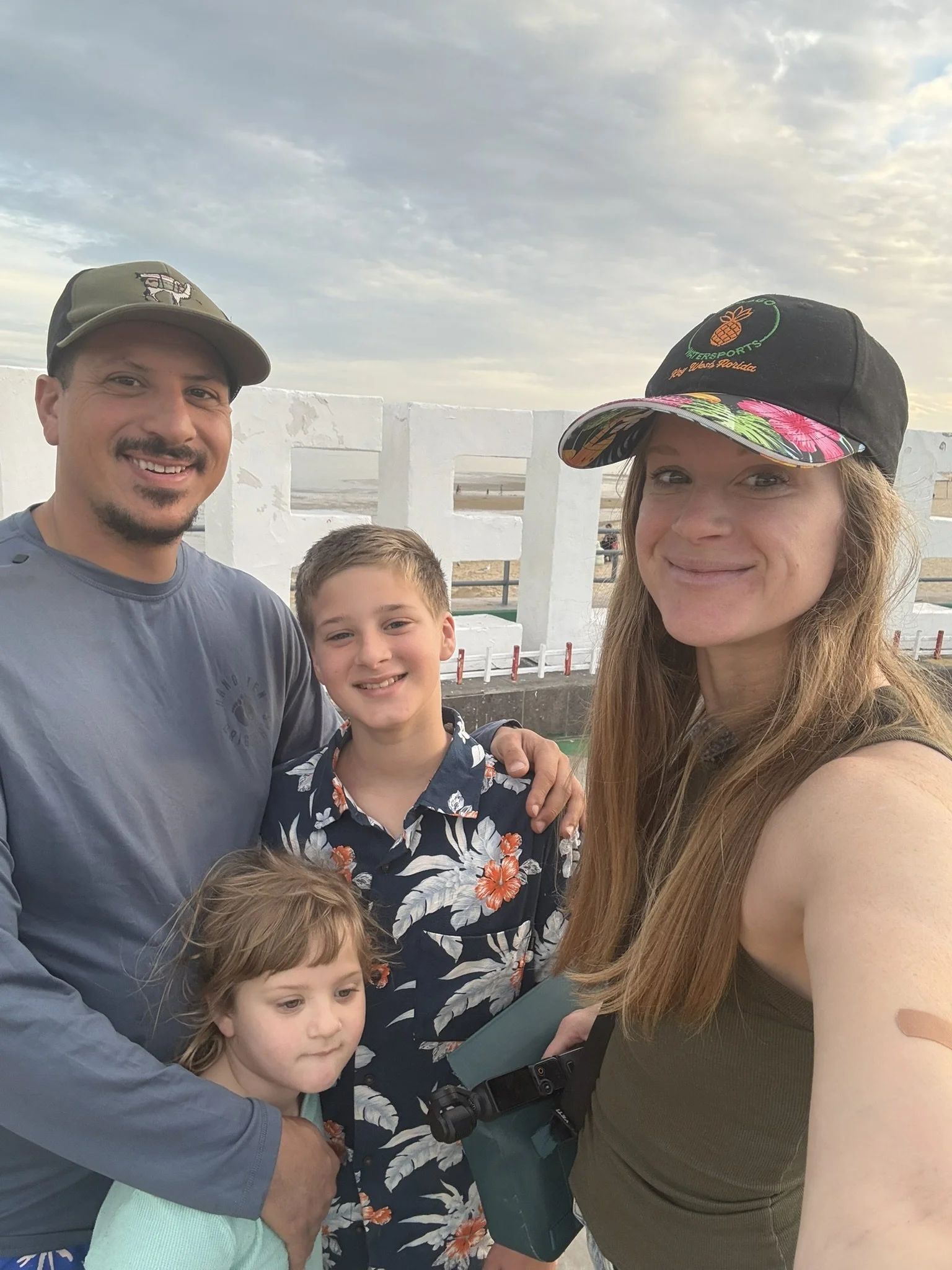
Pesos mattered more than we expected. We exchanged money before crossing, and that alone removed a huge layer of stress. While we were able to re-up pesos later at a bank, some local tour operators’ card readers didn’t work with our cards at all. Cash kept things smooth and you often get a better deal if you are paying in pesos.
Speaking of pesos, its surprisingly expensive to even cross the border with the rig- to just enter Baja, you’ll need to get Mexican car/rv insurance. If your rig is over 35ft, you’ll have to call in to get a customized quote. For us, we went with Baja Bound and spent over $800 for 3 months. Surprisingly, this was the cheapest route for us, even though we weren’t staying for three months. You can get less coverage and get a cheaper quote, which we explain in this video, but overall we decided to go with the full coverage just incase. Along with the Mexican insurance, you also need to get your FMM, which costs around $45 USD per person. There seems to be some fees involved as well, because we ended up paying $231 USD for 4 people. That totals up to over $1,000 USD to just cross the border!
Diesel was another quiet concern especially with a newer truck that requires ultra low-sulfur diesel. Baja does have it, but not everywhere, and certainly not where you’d want to assume. Places like Bahía Concepción, Gonzaga Bay, and Puertecitos have no diesel at all. There’s a large online presence that keeps reiterating that you must top off diesel at every diesel stop you see, but we found that to not be true. There was plenty of low sulfur diesel along the routes that will put into our 2020 F350 and it worked out just fine.
We also learned quickly that Baja is not a place to rush. The one rule you really don’t want to break is driving at night due to all of the wild cows and horses that wander slowly through the winding streets. Even though you have Mexican insurance, its not worth the risk to have to figure all that out after dark or have to abandon your vehicle and hope it’s still there in the morning.
Our First Lesson Came at the Border
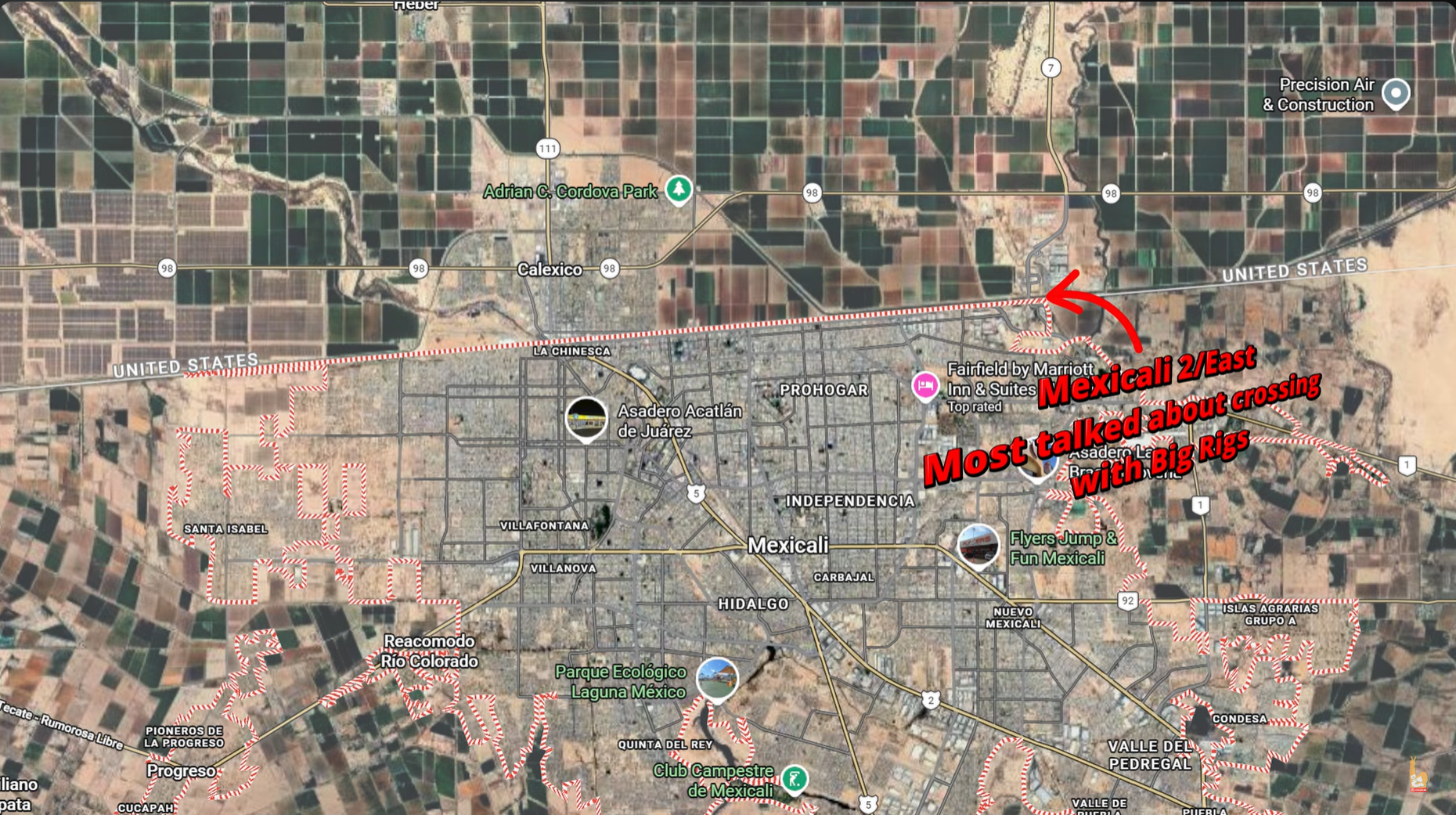
Most people recommend crossing at Mexicali East if you’re towing a big rig.
We didn’t.
We crossed at Mexicali West, because we simply did not know that there were two border crossings in Mexicali. For reference, there’s a Mexicali 1 (which is west) and Mexicali 2 (which is east). When you search the internet and other Baja specific groups, like Talk Baja, you see quite a bit about which crossing to use with big RVs. You want a crossing that is smooth, fair, and used to taking in big RVs. What you’ll mostly find is crossing into Mexicali East (ll). When we were doing research, all of the forums and videos were basically sticking to the main rule of thumb which was “Stay to the right” and avoid the SENTRI line if you aren’t approved for that or you can be fined a serious amount of money.
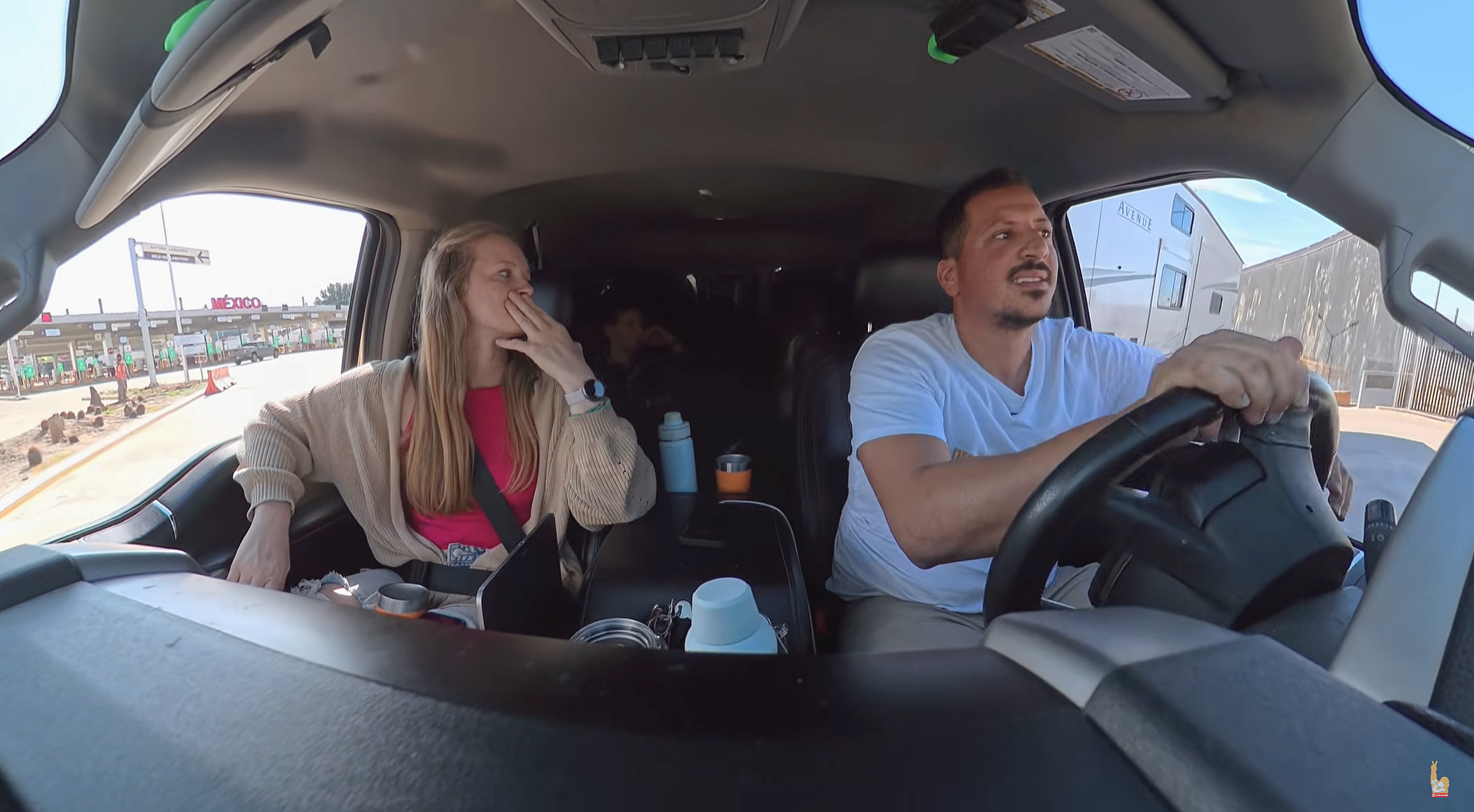
When we arrived at the “wrong” border crosing- we panicked because the line choosing area is a very short area. With less room to navigate and find the correct lane, the less time you have to make a decision. When we arrived, we looked to the right and saw nothing for big rigs. No SENTRI signs, just a short space, a sign that said autobus and a lot of X’s. After a good samaritan gave us a honk, we realized we had already passed the sign for where we needed to go and it was on our LEFT! GASP! If you plan to go through this crossing, or want to prepare in case you go there accidentally like we did, watch the full crossing video and all its drama here. We are embarrassed that we did all the wrong things, but if it helps someone then we are happy campers.
our first stop in Mexico
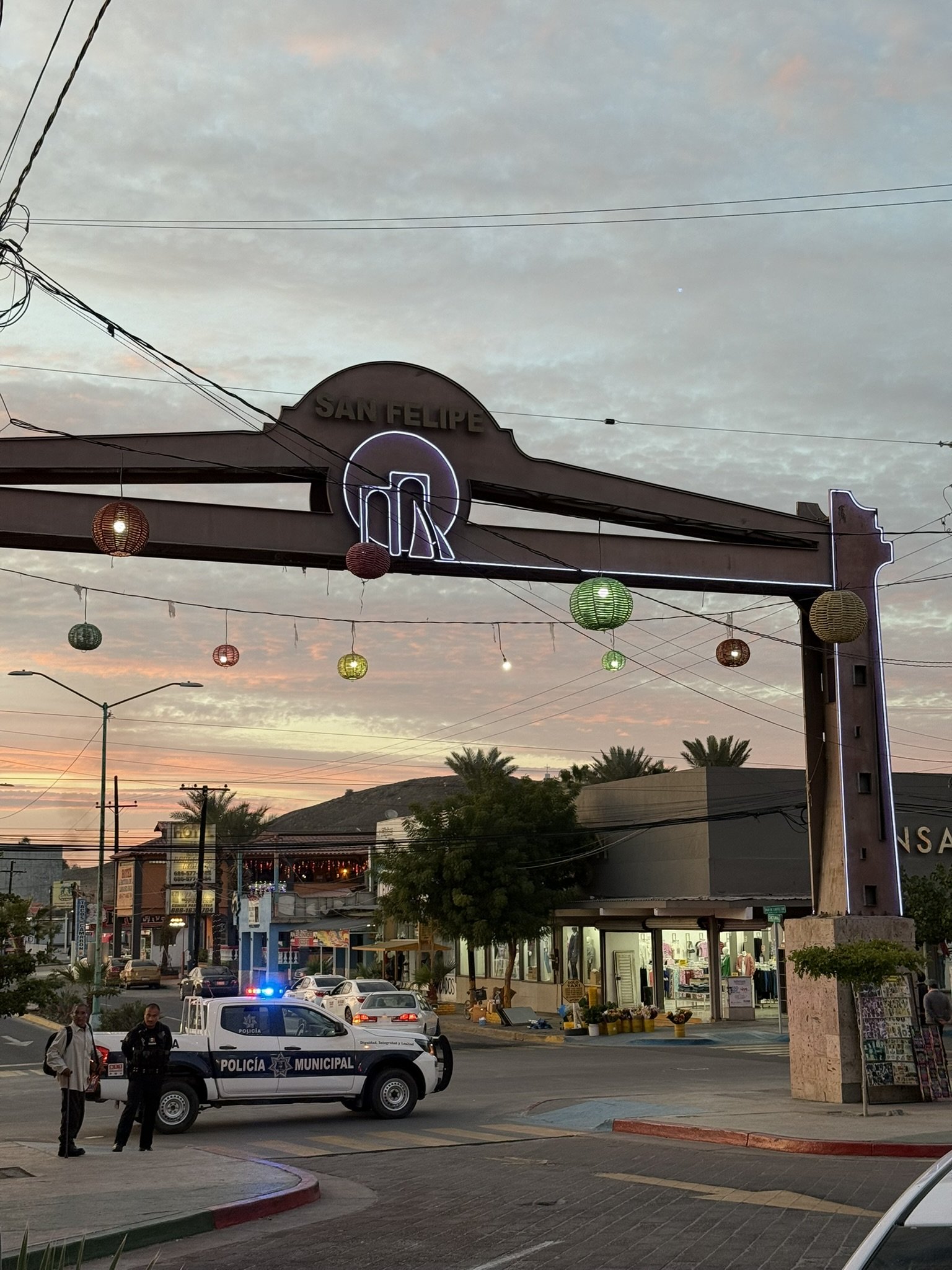
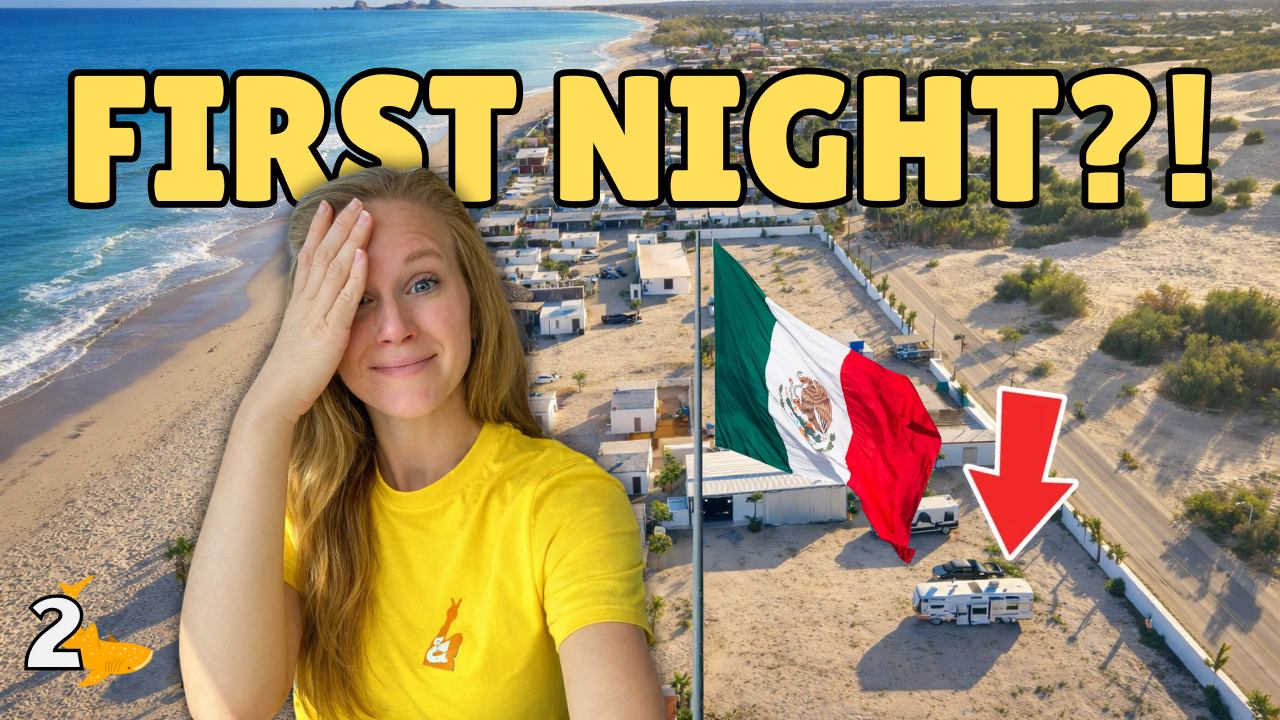
San Felipe was exactly what we needed after the border, a place to slow down and let Baja come to us. We wanted to make sure that during this trip we got a sampling of all things Baja, not just the “gringo shuffle” as they call it.
We unhooked, refueled, and stayed a few days at Victor’s RV Park, a beachfront park that felt like a soft landing into Mexico. Smaller rigs can pull right up to the water, but even with our size, it was an easy in-and-out stop that gave us room to breathe.
In the evenings, San Felipe comes alive.
The Malecón fills with families and music. Restaurants feel familiar yet distinctly Mexican. And one evening, we stumbled into something we hadn’t planned for at all — the ceremonial lowering of the flag. The military arrived, everything stopped, and for a few quiet minutes, we watched a moment of tradition unfold that we never would’ve known to look for.
That alone would’ve made San Felipe worth it.
But then came the desert.
Right across the street from the RV park, we booked a desert ATV tour, and it quickly became one of the most memorable parts of the entire trip. Our 11-year-old was allowed to drive his own ATV, a moment he still talks about, and watching him navigate the desert confidently felt like watching Baja open itself to us.
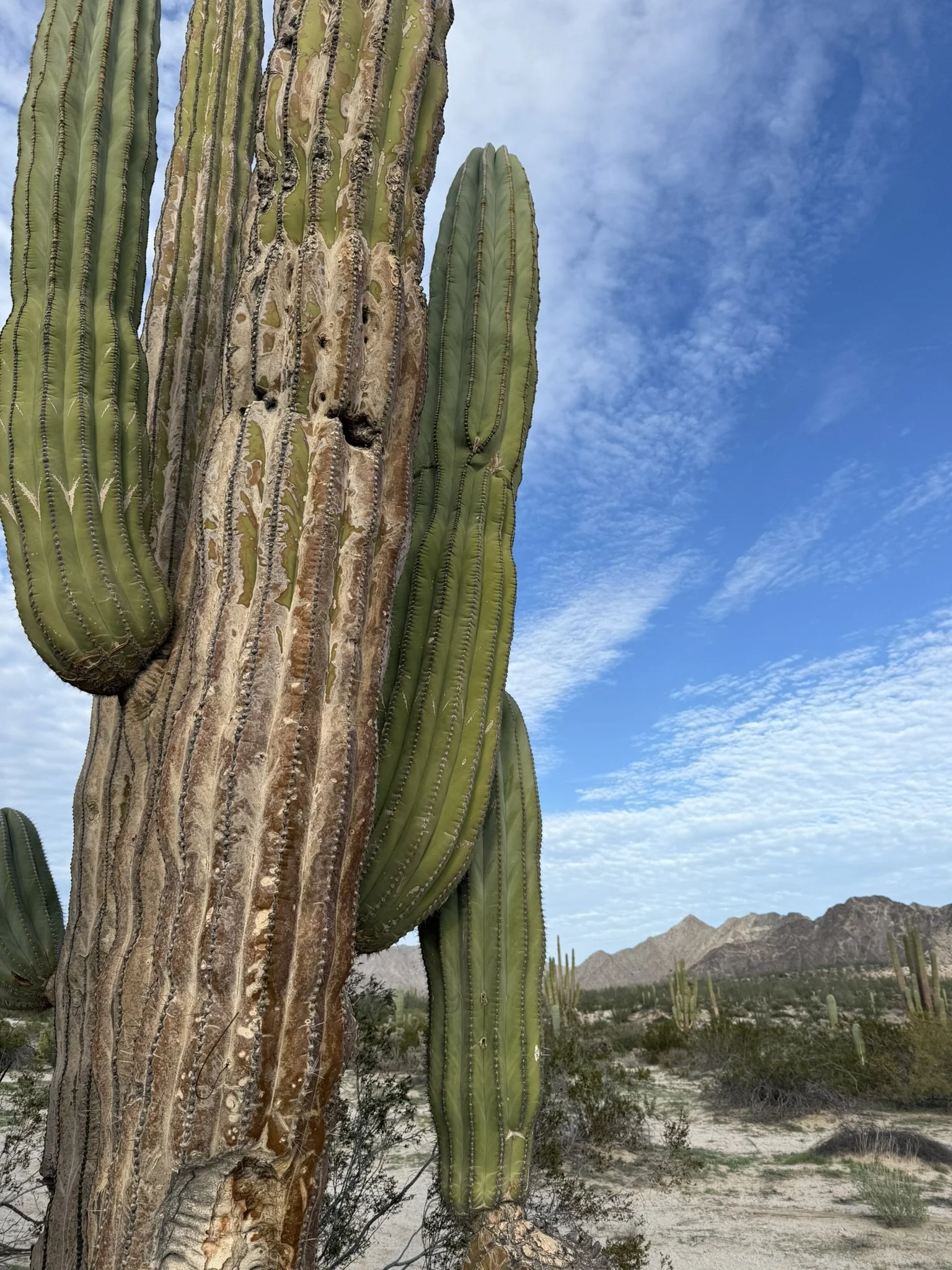
And then there was the Valley of the Giants.
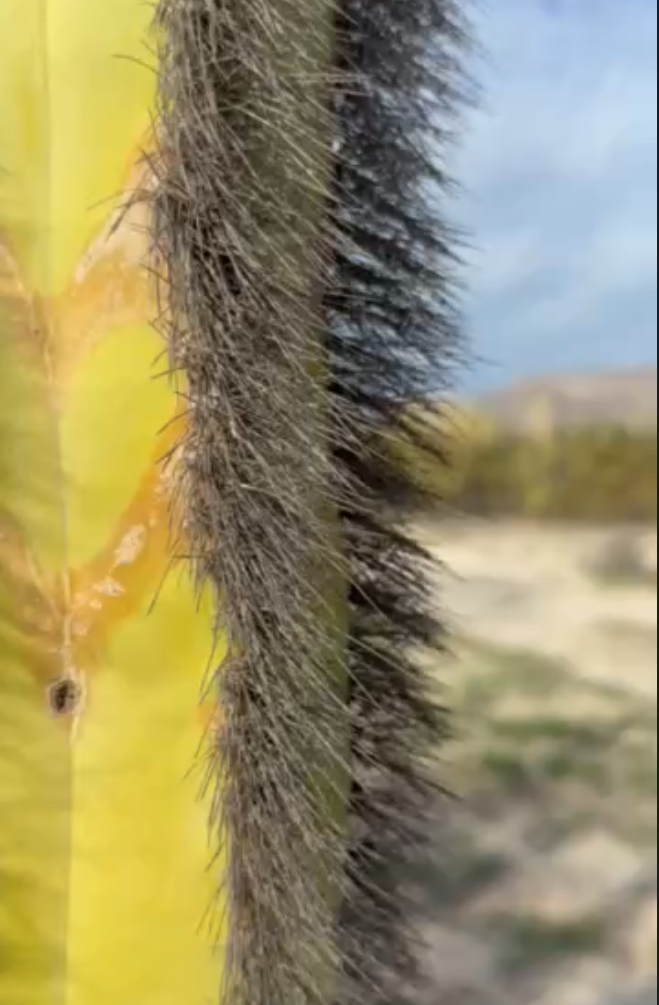
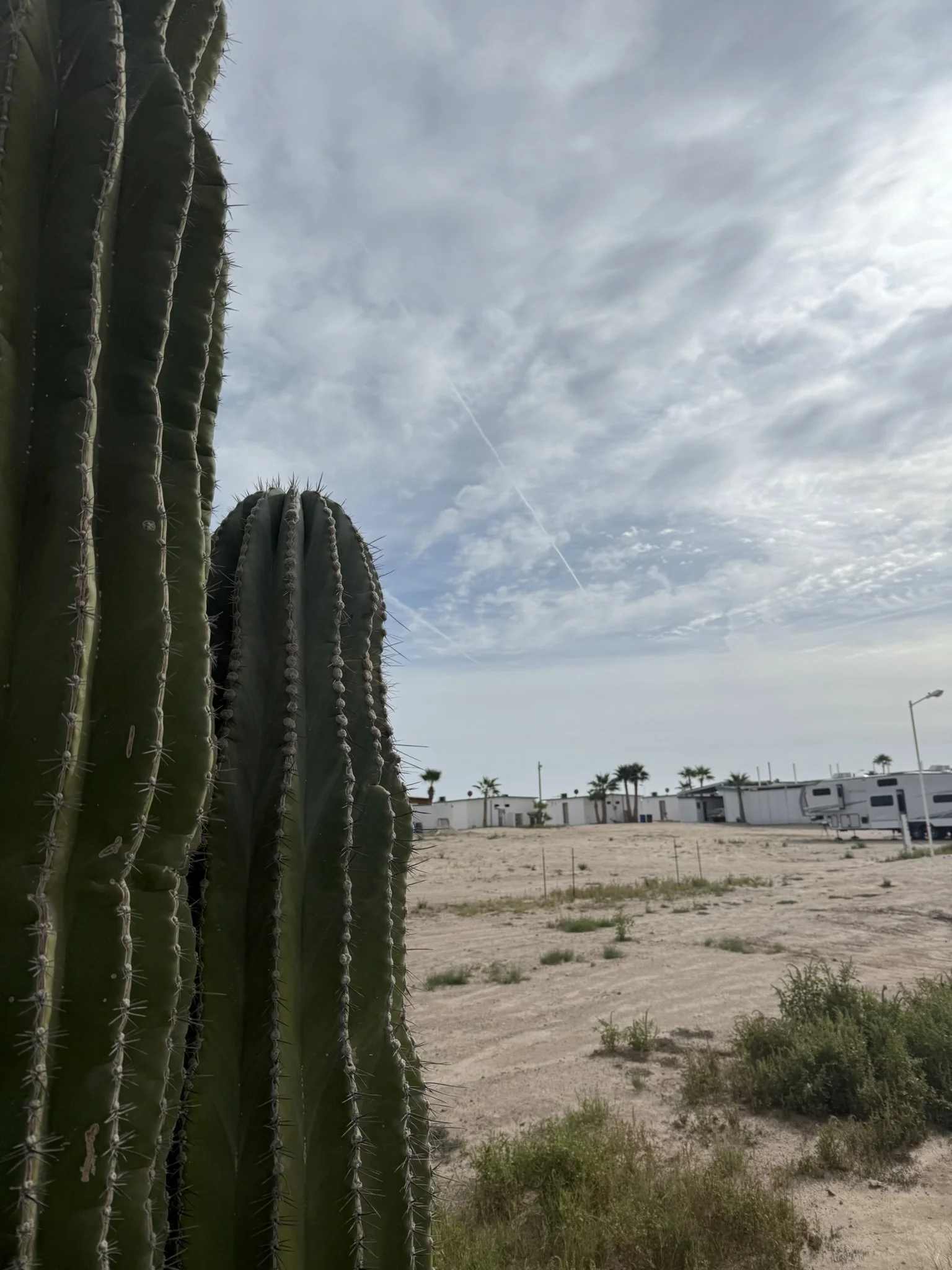
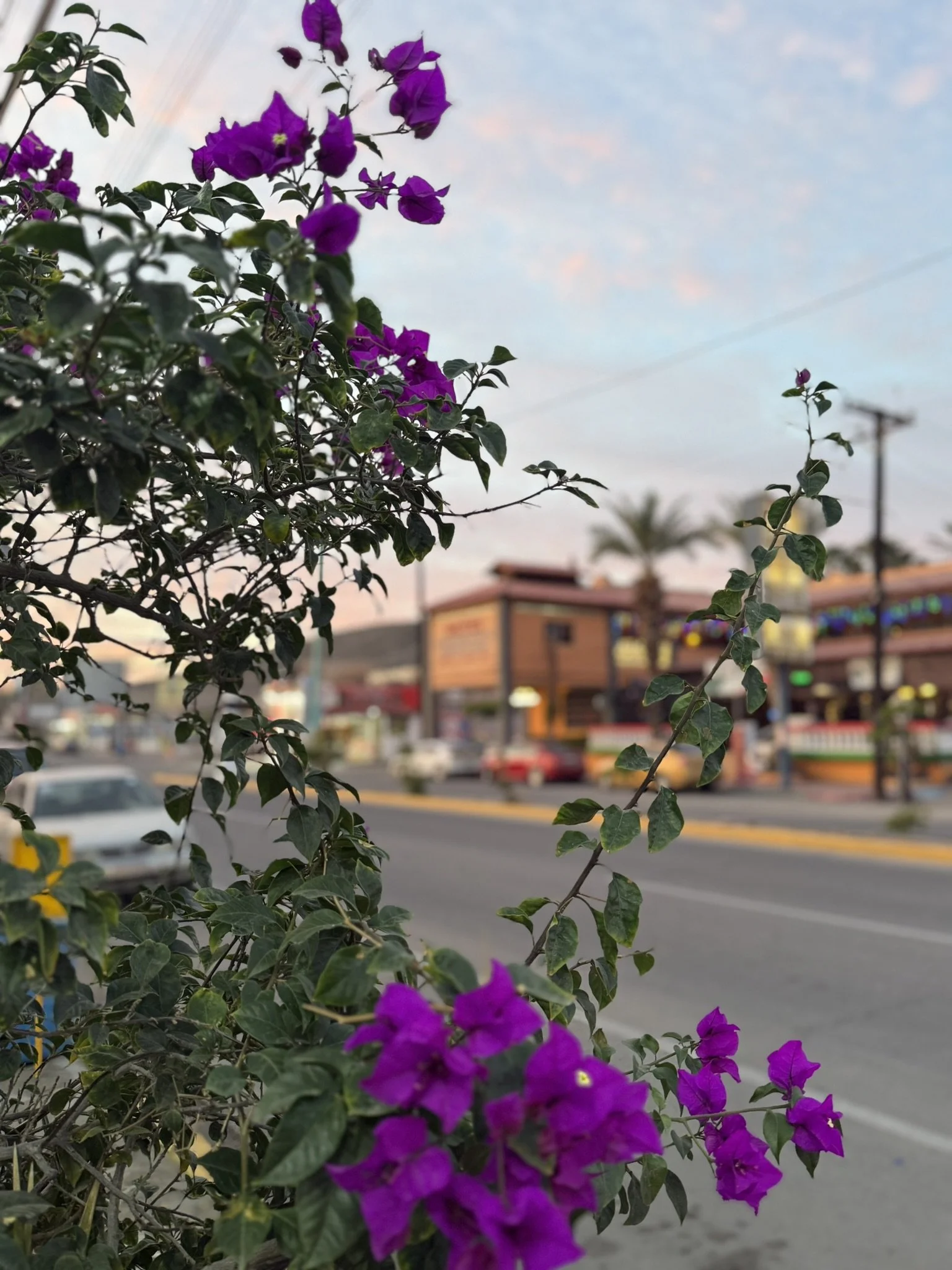
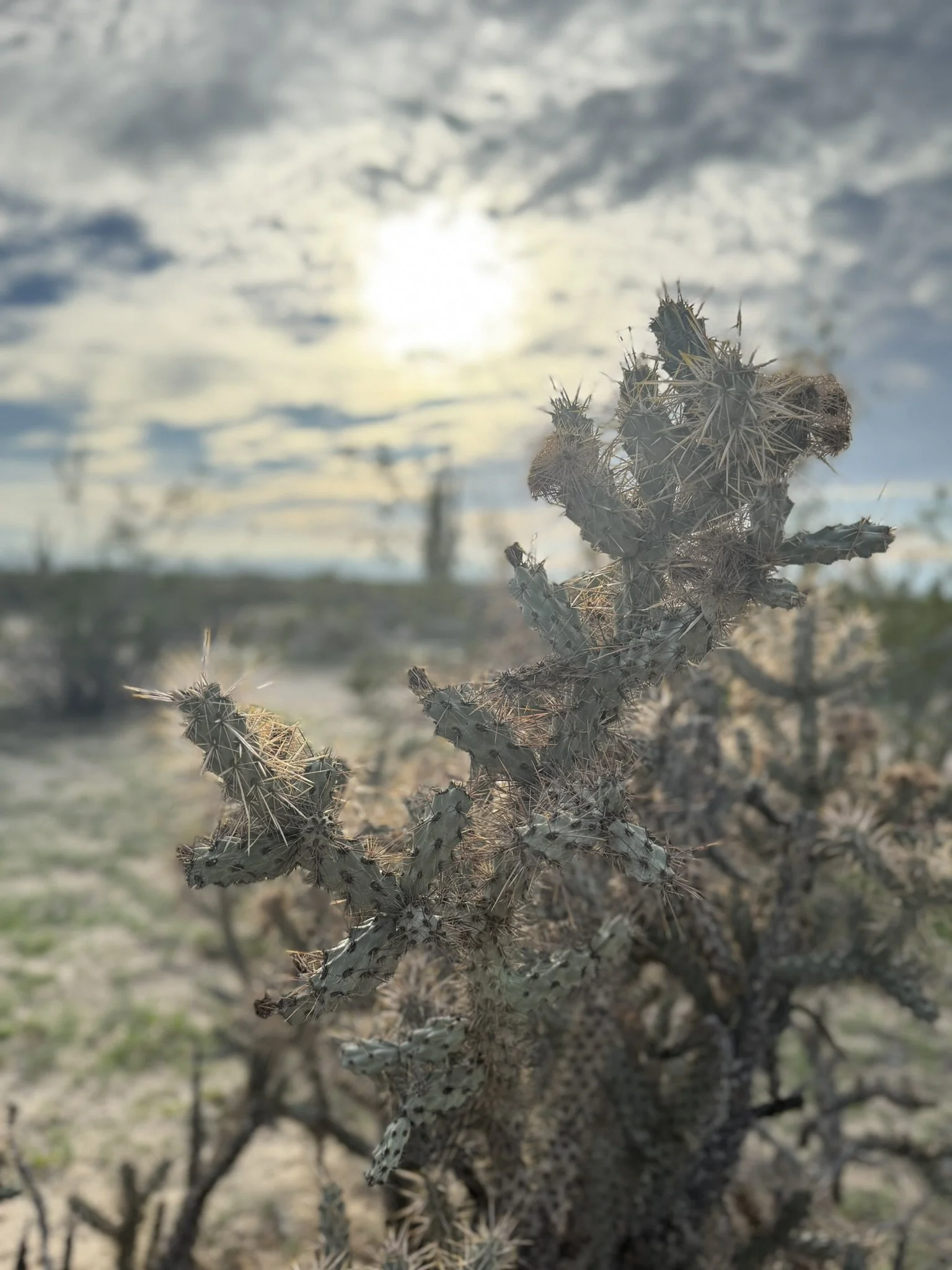
Nothing prepares you for standing among towering cardón cacti, realizing you’re looking at living things that have been growing longer than most countries have existed. We wandered slowly, intentionally, and gave ourselves the time it deserved.
Gonzaga Bay: Where the Plan Almost Didn’t Matter Anymore
If San Felipe eased us in, Gonzaga Bay completely rewired us.
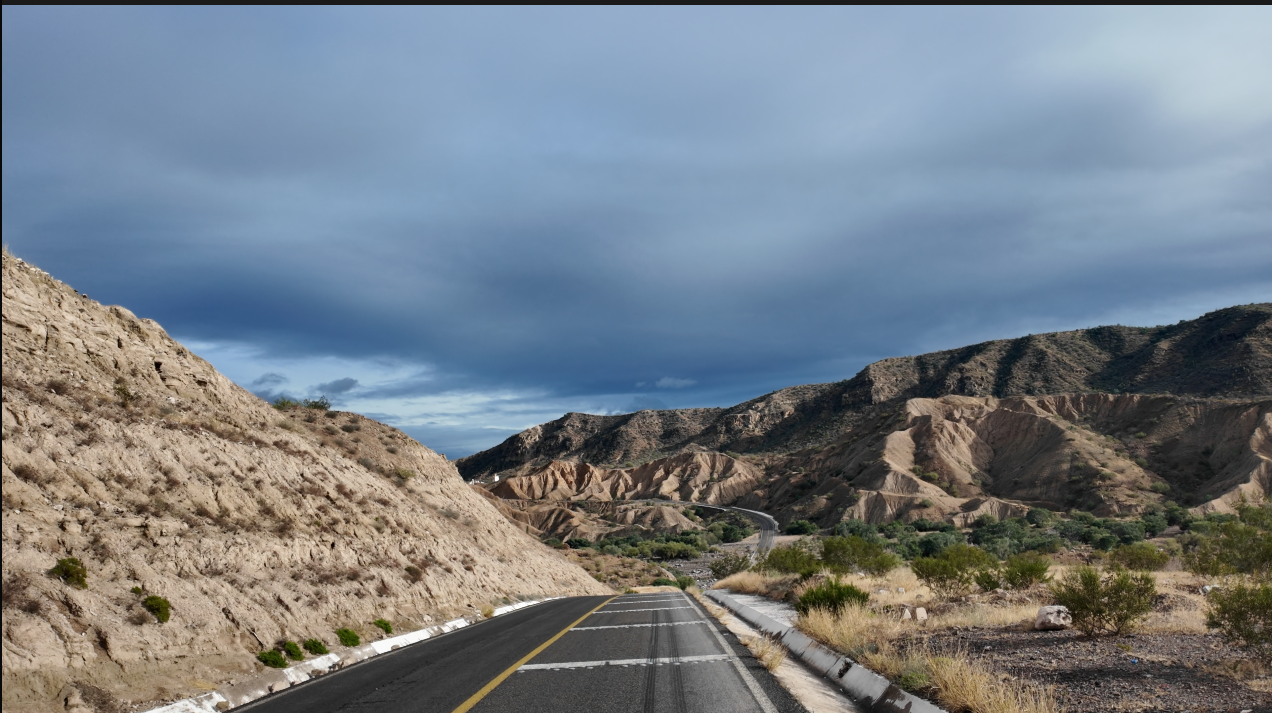
We skipped Puertecitos on the way down. the hot springs are tempting, but they’re not exactly big-rig friendly and multiple people said to just keep on going. So, we topped off fuel, and headed toward Gonzaga. The road narrowed, the crowds disappeared, and suddenly Baja felt very, very real.
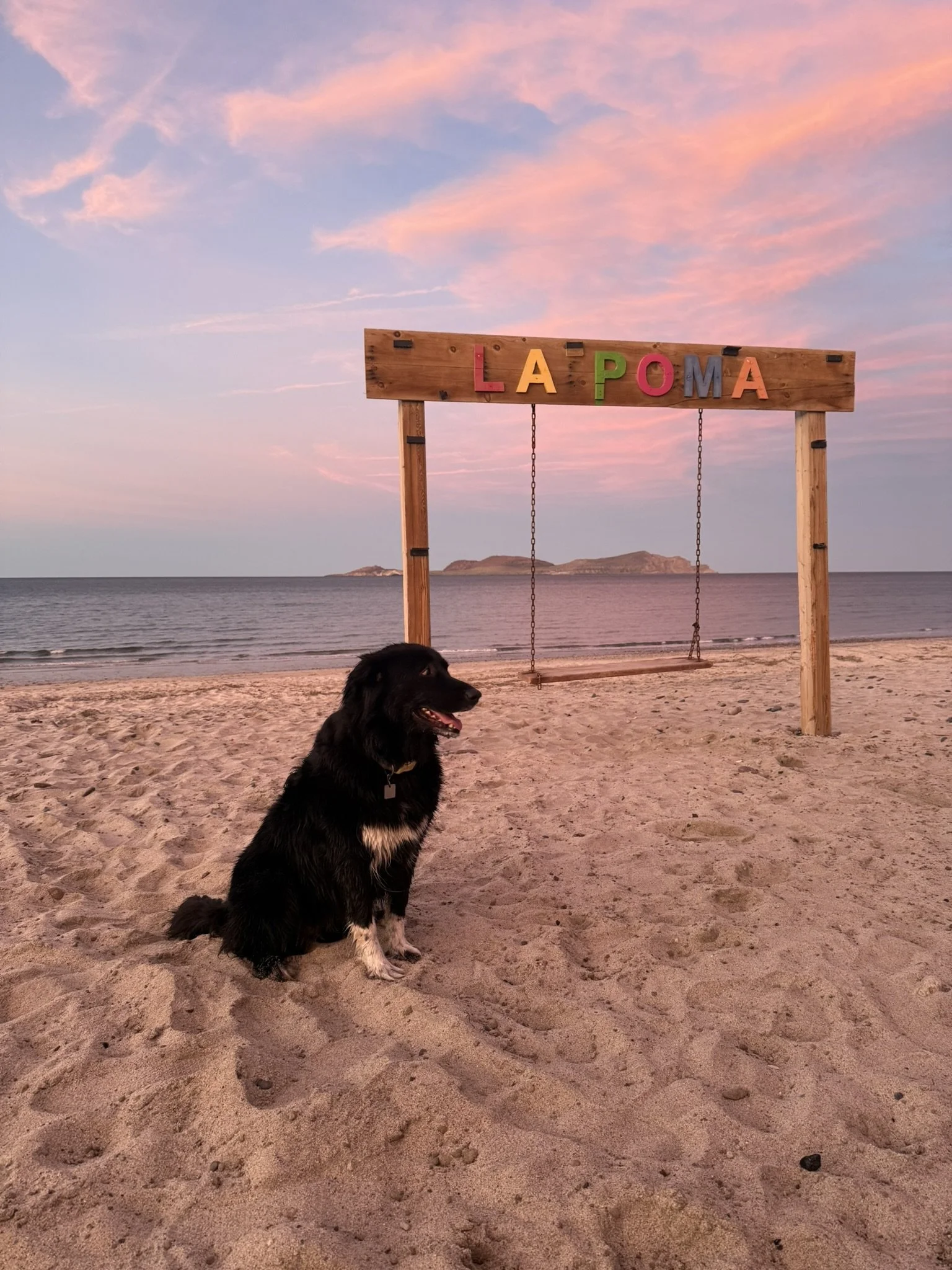
We boondocked at La Poma, and to be honest, we wouldn’t casually recommend a rig our size here. There was exactly one spot that worked for us. We parked slowly, carefully, and then… stopped doing anything at all. However, we did find that, near the entrance of Alfonsina’s, there’s an RV park well-suited for big rigs called Rancho Grande. Go to the store across the street (you can’t miss it) and pay for the nights that you want. This place has beach access, plenty of space, and new palapas.
Locals rented palapas nearby. Fishermen brought in their catch. A palapa neighbor handed us fresh tamales and a few days later taught us how to make ceviche from triggerfish they’d just caught. No schedule. No rush. Just life happening around us.
We moved slowly here.
We walked the beach.
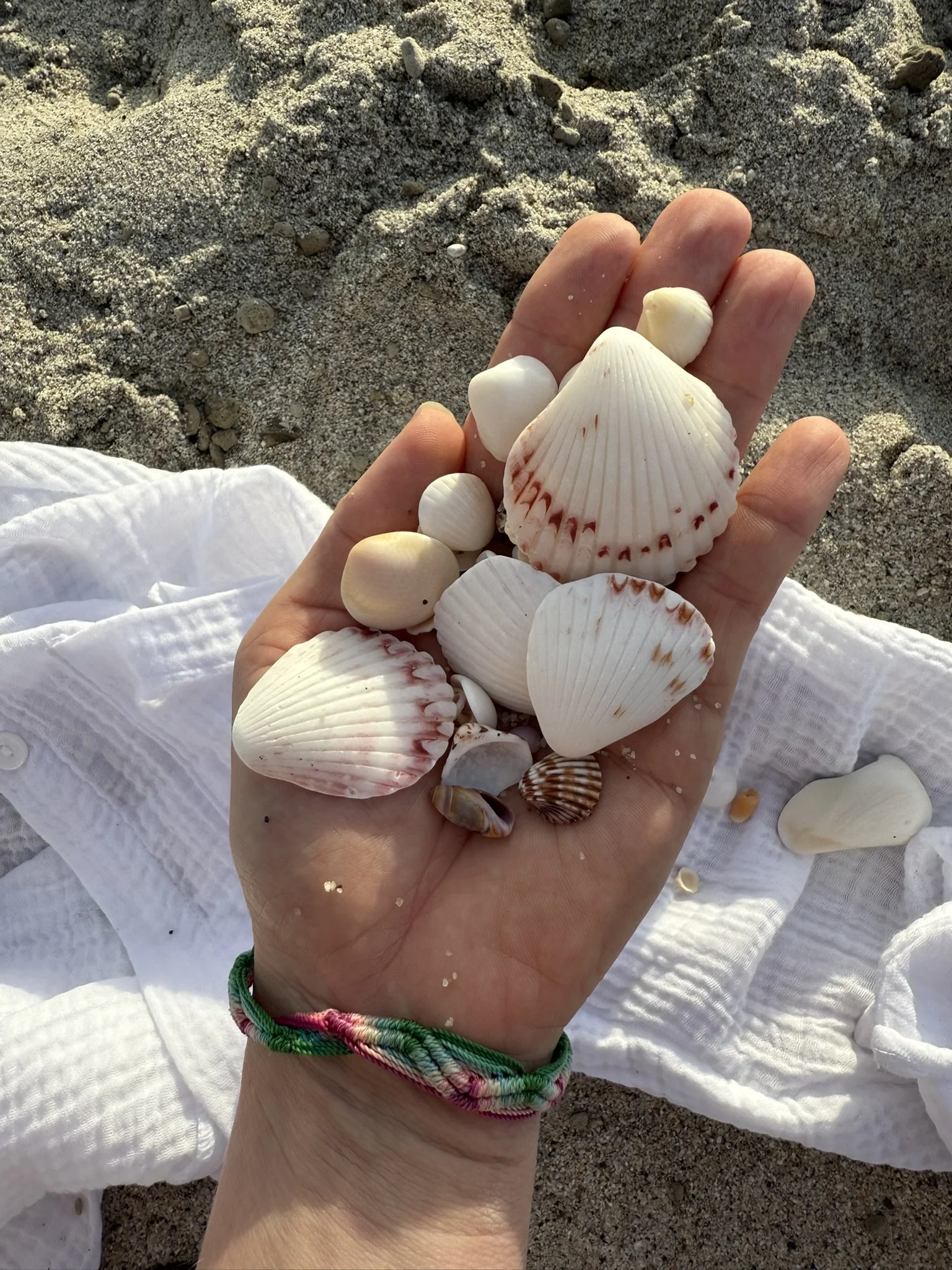
We found shells.
We watched fish gather at sunset.
We listened more than we talked.
There were showers, portable toilets, a small restaurant, even firewood for sale and
somehow it still felt completely unplugged. We didn’t want to leave. This was what
they meant by exploring Baja- it was like our experience with “island time” but
we got to bring our whole house with us.
A few miles away we drove to Alfonsina’s for a meal by the water. We highly recommend this place! If we
weren’t going in an RV, this would be my first choice of hotel.
On weekends, local vendors set up selling jewelry, ponchos, and handmade goods. It was the perfect place to gather supplies before heading farther south.
👉 Watch the full episode here.
This was the stop that reminded us why we came.
Playa Santispac – This Is Why You Bring a Big Rig to Baja
If there’s one stop that makes you understand why people do Baja in a big rig… it’s Playa Santispac.
This is the stop and at 200 pesos per night with trash disposal, vendors and dumps available without leaving the beach, I can see why.
After navigating tighter roads, questioning fuel stops, and figuring things out as we went, Santispac felt like everything just… opened up. Wide, accessible, and surprisingly big-rig friendly, this was the first place where we truly saw what Baja could be like long-term.
And we weren’t the only ones.
We saw massive rigs here — toy haulers, fifth wheels easily 46 feet and beyond — parked right along the water. That alone told us everything we needed to know.
For about $11–12 USD per night, you get beachfront camping in one of the most iconic areas of Bahía Concepción — and honestly, it’s hard to imagine skipping this stop.
The One Thing That Made This Stop Worth It
If you do one thing here, rent the kayaks.
There’s a local kayak setup right on the beach, and we paid about $100 USD for two kayaks for two days, which ended up being one of the best decisions of the entire trip.
Instead of just sitting on the beach, we were paddling out to nearby island, exploring hidden spots along the coastline, and finding quiet little areas that felt completely untouched.
At one point, we kayaked out to what felt like our own private island. No one else around, just us, the water, and Baja doing its thing.
We even found clams out there which felt like such a cool, raw Baja moment… until we learned they’re seasonally protected, and the fines can be hundreds of dollars per clam. So yeah, definitely look, don’t touch unless you’re sure.
The “Hot Springs” That Kind of Got Away From Us
You’ll hear about hot springs in this area, and we did go looking.
For us, they were a little elusive.
We spent more time exploring by kayak than chasing them down, and honestly, we didn’t feel like we missed out. The real win here was just being on the water and discovering things as we went. We do hear that there’s a strange cowboy that lingers out there, but I can’t say if that is true or not because we didn’t make it that far.
The Unexpected Part No One Talks About
This was easily the most monitored beach we saw in all of Baja.
And not in a bad way, just… unexpected.
While we were there:
The Mexican Navy was present
There was an ambulance on site
Police regularly patrolled the beach
We were told there was some kind of agreement to provide medical support
for visitors, which honestly made it feel incredibly safe.
But overall, it created a really unique environment where you could relax and just enjoy being there.
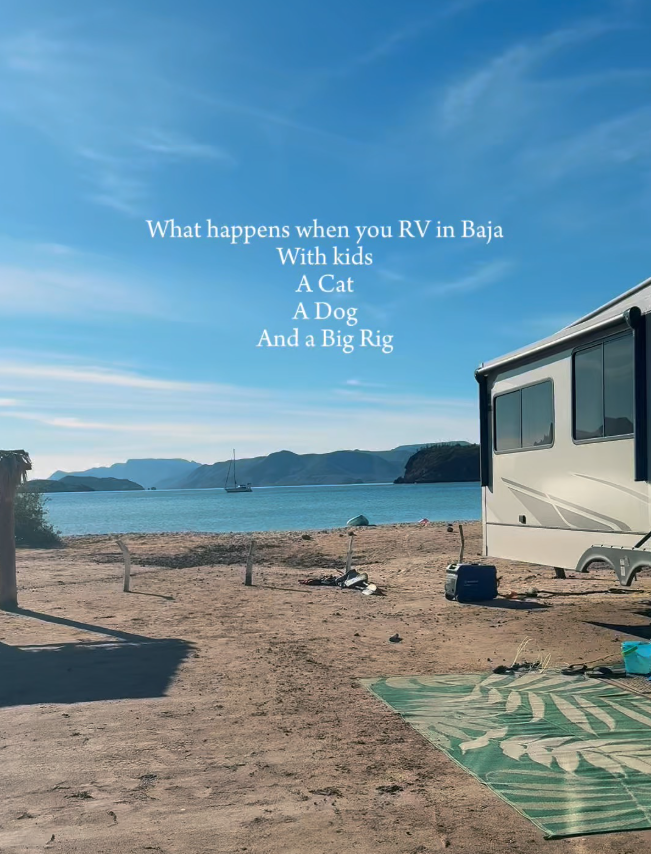
NEXT STOP: LORETO

Loreto, The Stop That Didn’t Go as Planned
After the magic of Santispac, we rolled into Loreto expecting this to be one of the highlights of our trip.
And honestly, it probably would have been.
But Baja has a way of reminding you that no matter how much you plan, you are not in control of everything.
While we were there, we kept hearing the same saying, that the wind blows for three days, and then it is calm for three days. I do not know if that is always true, but for us, it might as well have been.
Because for the entire three days we stayed in Loreto, the wind never let up.
That meant the big plans we had for this stop, our fishing trip, getting out to the islands, and spending time on the water, all had to be canceled. It was disappointing, especially knowing how incredible this area is supposed to be when conditions are right, but it was also one of the biggest reminders of what Baja really is.
You can plan everything perfectly, and still have to adjust.
A Reset We Didn’t Plan, But Needed
Even though we missed out on the experiences we had been looking forward to, Loreto still ended up being an important stop for us.
We stayed at Loreto Shores RV Resort, and for about 650 pesos per night, we had full hookups, access to laundry,
showers, and a spot right on the water. After several days of beach camping, it was exactly what we needed.
What Loreto Is Known For
On the days when the wind is calm, Loreto is one of the best places in Baja to get out on the water.
It sits right along the Loreto Bay National Marine Park, which is known for its clear water, wildlife, and
access to nearby islands. One of the most popular experiences is heading out to Isla Coronado,
where you can hike a volcano, snorkel, and spend the day exploring.
That was exactly what we planned to do.
We just did not get the conditions for it.
And that is something to keep in mind if you are planning your own trip here. Loreto has a lot to offer, but it is one of those places where the weather really decides what your experience is going to look like.
The Big Rig Side of Things
Getting into Loreto Shores with our rig was manageable, but not without a little stress.
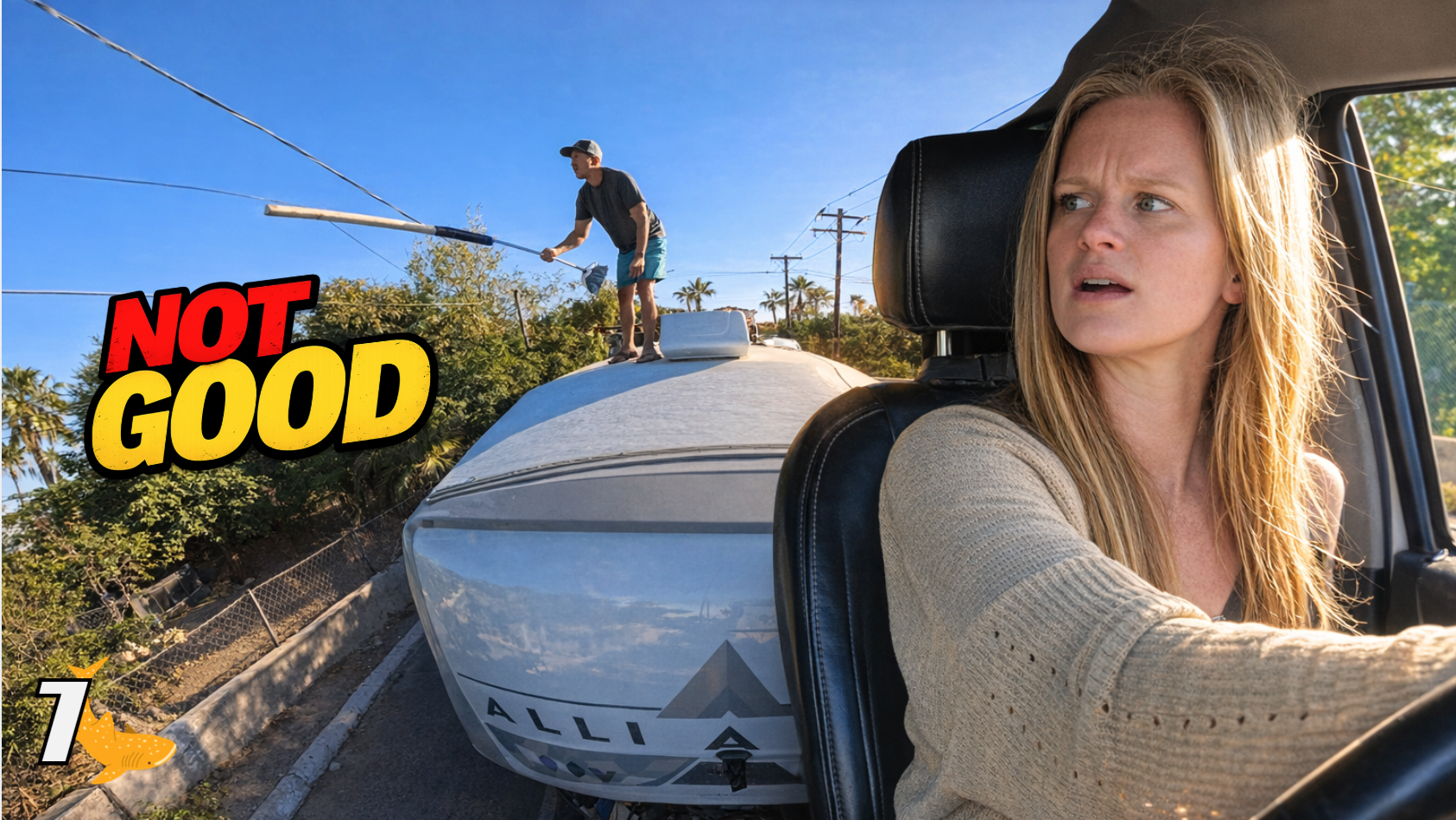
Right outside the park, we ran into low power lines, which is not something you want to deal with when you are towing a large fifth wheel. It made us slow down, double check everything, and be a lot more cautious than we expected.
After staying there, we understood why this park sits around a three-star rating on Campendium. It worked for what we needed in the moment, but it is not somewhere we would choose again with a big rig.
What We Would Do Differently
If we were to do Loreto again, we would start with a different plan.
Our backup option was Riviera del Mar RV Park, and looking back, that is likely where we would go next time.
They do speak English, and you can call ahead to check availability for a big rig, which is always a huge advantage in Baja.
Having a solid backup plan here would have made this stop feel a lot less uncertain.
👉 WATCH THE FULL EPISODE IN LORETO HERE INCLUDING AVOIDING LOW POWER LINES AND TIGHT TURNS
Perfect — this is your highest-impact section, so I kept your voice, made it smooth and readable, and layered in strong SEO naturally without making it feel forced.
La Paz, Where Everything Comes Together
When we made it to La Paz, it felt like we had officially arrived.
Up to this point, Baja had been a mix of figuring things out, adjusting plans, and learning as we went.
But La Paz is where everything starts to come together.
And if you are planning a trip in January, this is exactly where you want to be.
La Paz is known for its incredible marine life, especially in the winter months. We came during peak season,
and that meant we had a real shot at seeing everything we had been hoping for.
Whale sharks are in season and considered a near guarantee.
Humpback whales are common.
Dolphins are everywhere.
Sea turtles are regularly spotted.
It is one of those places where the ocean feels alive in a way that is hard to describe until you experience it yourself.
The Kind of Place You Could Stay Longer
The drive into La Paz from Loreto was smooth, and once we got there, we immediately understood why so many people spend extended time here.
We could have easily stayed longer.
There is something about La Paz that just works. It has the energy of a real city, but it still feels like Baja. You have everything you need, without losing that sense of being somewhere different.
The Experiences That Make La Paz Worth It
If you come to La Paz, there are a few things you absolutely do not skip.
The first is swimming with whale sharks.
This is one of those experiences that feels almost unreal. Being in the water with something that big, that calm, and that close is something we will never forget. It is easily one of the most unique things you can do in Baja.
Then there is the Malecón.
It is one of the best places to just walk, take everything in, and let the kids run a little. It has that mix of local life and visitor energy that makes it feel active but not overwhelming.
And then there are the beaches.
Playa Balandra, Worth the Effort
Playa Balandra is one of the most talked-about beaches in Baja, and once you see it, you understand why.
The water is shallow, calm, and unbelievably clear.
There is limited access, which helps preserve it, and there are only a small number of palapas available for shade. If you want one, you need to get there early. Otherwise, you will want to bring your own setup or be prepared to find shade where you can.
There are timed entry windows, typically from 8 to 12 or 12 to 4.
We went during the later time slot, and the tide was a little lower than we expected, so if we were to do it again, we would aim for the morning window.
Even with that, it was still worth it.
The Unexpected Yes That Turned Into Everything
One of the best parts of this stop was something we did not plan.
While we were at Balandra, someone approached us about a tour. Normally, we would have overthought it, researched it, and probably talked ourselves out of it.
This time, we said yes.
That led to a private boat experience where we were able to:
swim with sea lions
get out on the open water
and eventually swim with whale sharks
It was one of those days that completely changes how you see a place.
Not just fun, but genuinely unforgettable.
Fishing in La Paz
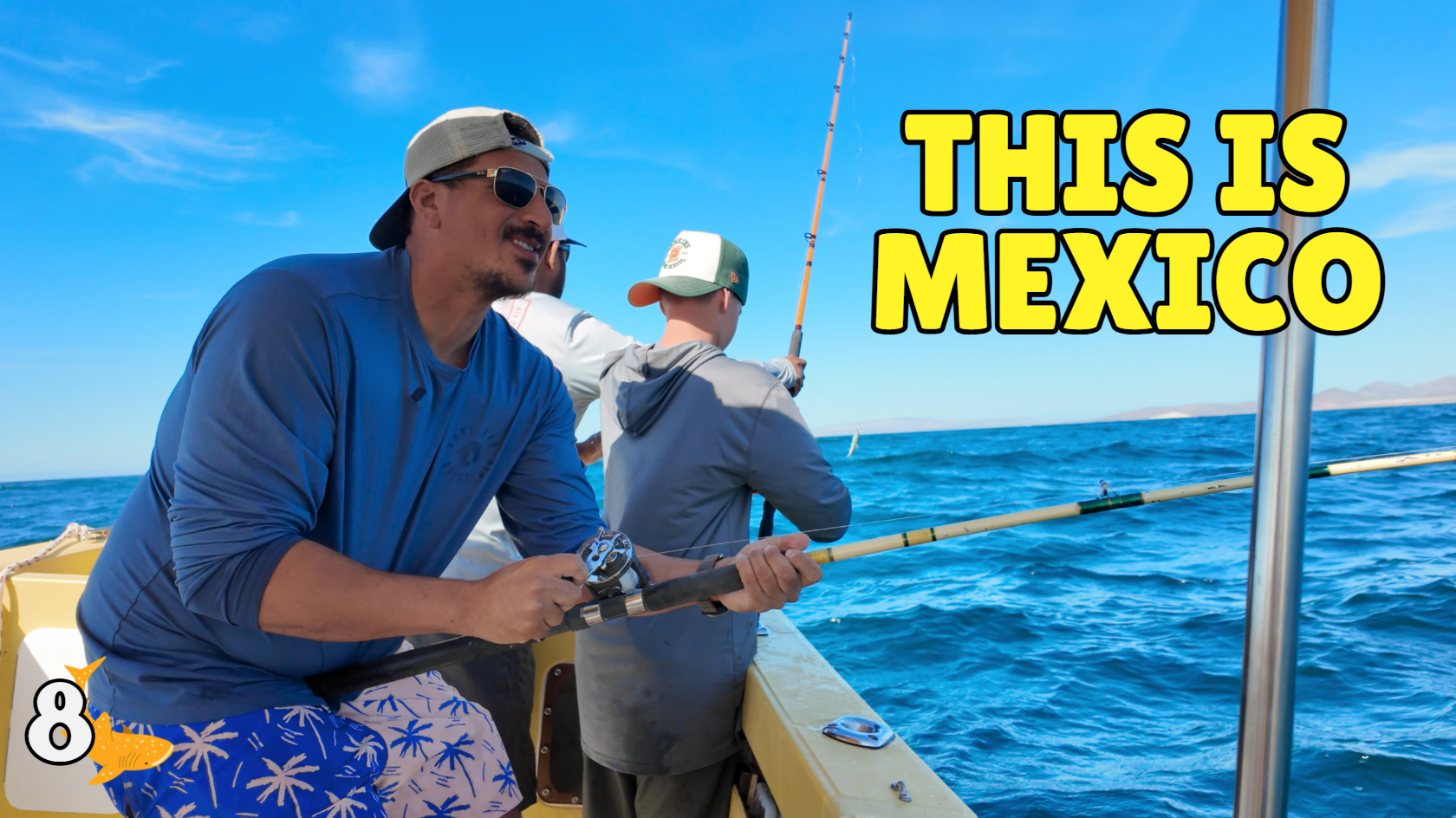
We also booked a fishing excursion, and it ended up being just as incredible.
We caught roosterfish, mahi-mahi, and snapper, and they cleaned everything right there on the boat.
There is something about catching your own food in Baja that just hits differently.
Where We Stayed, And Why We’d Go Back
We stayed at Campestre Maranatha, and this was hands down one of the nicest RV parks we experienced on the entire trip.
For about $22 per night, we had full hookups in a park that was incredibly well maintained. Every detail felt intentional, from the landscaping to the layout.
It is completely big rig friendly, which made getting in and settled easy.
And one of the best parts, there is a coffee and breakfast spot right at the park. It was one of those small things that ended up being a big win, because some mornings you just do not want to leave.
A Place Where Everything Is Easy
La Paz is also where you can catch up on anything you need.
They have Walmart, Home Depot, KFC, anything you might need for your rig or your trip. After some of the more remote stops, this felt like a full reset, but without losing the Baja experience.
Big Rig Takeaway, La Paz
If you are traveling Baja in a big rig, La Paz is one of the easiest and most rewarding places to spend time.
It offers:
reliable access
full services
big rig friendly RV parks
some of the best activities in all of Baja
And more importantly, it is where Baja feels both exciting and comfortable at the same time.